

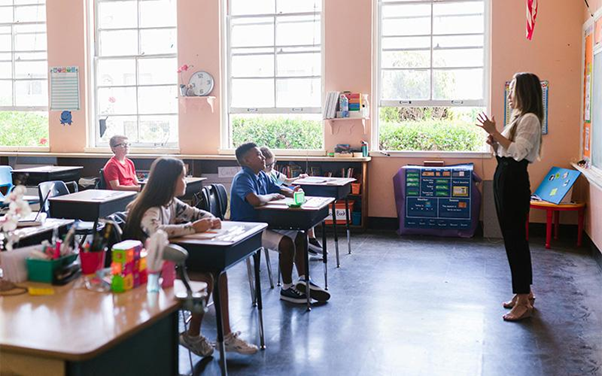
International schools in Singapore have been a magnet for families looking for globally renowned education, and the International Baccalaureate (IB) is a common aspect in many of these institutions. Since the student population in these schools includes both locals and expatriates, schools have devised techniques to tailor the IB framework to the various demands of their respective populations. This balance guarantees that students from many backgrounds benefit from the IB’s rigorous, inquiry-based approach while being relevant to their cultural and academic expectations.
Understanding the Needs of a Diverse Student Body
The typical international school in the city-state attracts students from a wide range of countries, with many expatriate families choosing such schools for their international curriculum, including the IB. However, local families are also increasingly enrolling their children in these schools to gain exposure to global perspectives. This diversity means that international schools must navigate different learning styles, language proficiencies, and cultural expectations. The IB’s flexibility allows schools to tailor content to local contexts, integrating aspects of the region’s history, culture, and national identity into the curriculum while maintaining the core principles of the IB.
Customising the IB Curriculum for the Local Environment
Adapting the IB for local and expatriate students often starts with contextualising learning materials. For instance, while the IB emphasises global citizenship, international schools in Singapore may incorporate local case studies in subjects such as history, geography, and environmental systems. This approach helps students understand the city-state’s role in global issues and fosters a sense of place, even for those from expatriate families. Schools also offer a wide range of languages beyond English and Mother Tongue options, catering to the linguistic diversity of the student population. Maintaining proficiency in Mandarin or other native languages for local students is supported through additional language classes, while expatriate students have access to languages relevant to their backgrounds.
ALSO READ: 4 tips on starting pre-school with joy, not tears
Balancing Academic Rigor and Student Wellbeing
International schools understand that the demands of the IB can be challenging, especially for students adapting to a new educational system or cultural environment. Schools implement strong pastoral care systems and dedicated counselling services to support this. These programmes address academic pressures, help students adjust to the region’s unique social setting, and encourage collaboration among students from different backgrounds. Regular parent engagement sessions are also held to guide families in navigating the IB structure and expectations, ensuring local and expatriate families alike understand how the curriculum supports university admissions and future career opportunities.
Preparing Students for the Future
International schools in Singapore that offer the IB provide students with a globally recognised qualification that is valued by universities worldwide. However, the adaptability of the programme within the local context also ensures students gain practical skills relevant to the regional economy, such as bilingual proficiency, an understanding of regional politics and economics, and exposure to innovation hubs like the city-state’s technology and finance sectors. Studying in the city-state’s multicultural and advanced environment broadens international students’ perspectives on Asia’s place in the world economy. The IB also provides local students with a route to global higher education and the training they need to take on leadership roles in a society that is becoming more interconnected daily.
Conclusion
International schools in Singapore are integral in delivering the IB in a way that serves both local and expatriate communities. These schools ensure students develop global competencies while maintaining cultural relevance by adapting the curriculum to the city-state’s unique context. The balance of academic challenge, personal growth, and global citizenship makes the IB a strong choice for families seeking an international school that prepares students for success in a complex, interconnected world.
Contact EtonHouse to enrol your child in a globally recognised programme that balances academic excellence with cultural relevance.