

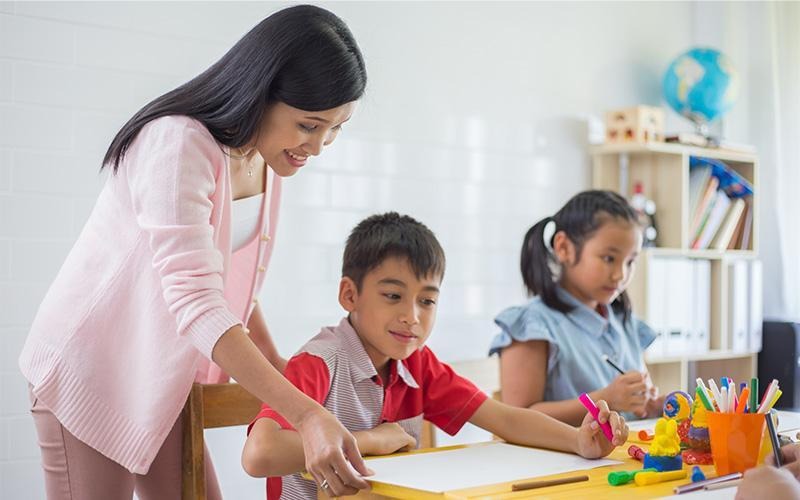
Language education continues to evolve, and in Singapore’s multilingual environment, Chinese remains a critical component of academic development. As students move from preschool to primary school, expectations for language proficiency increase. In this setting, effective primary Chinese tuition in Singapore helps students cope with academic demands. From structured content delivery to interactive class formats, the learning experience in today’s Chinese classrooms has been refined to support success.
Focus on Oral Proficiency
Speaking skills remain a top priority. Teachers use dialogues, picture discussions, and storytelling to help students develop fluency and confidence in oral expression. In primary school Chinese tuition, activities such as group discussions and oral presentations allow students to apply what they learn. This emphasis on speaking equips learners for classroom participation and assessments, such as oral components in school exams.
Vocabulary Building Through Repetition and Context
Students absorb vocabulary best when new words appear in different contexts. Tutors often include storytelling, comprehension exercises, and themed discussions to support vocabulary acquisition. In a well-structured primary Chinese classroom, repetition is built into different tasks so students encounter the same terms through listening, reading, and writing. This repeated exposure reinforces retention without relying on rote memorisation.
Reading Comprehension and Text Exposure
By engaging students with texts tailored to their level, tutors ensure that learners practise interpreting different formats—from dialogues and news articles to short stories. Reading can sharpen one’s comprehension skills as it exposes students to new vocabulary.
Writing with Purpose
Chinese enrichment classes for primary school, writing practice goes beyond copying. Students are asked to craft sentences, short paragraphs, and eventually full compositions. This method allows them to think independently while applying grammar rules and vocabulary in context. Tutors guide students by breaking down writing assignments into stages—planning, drafting, and revising—making the writing process more approachable and productive.
Grammar and Sentence Structure in Practice
Understanding how words fit together is fundamental to expressing ideas clearly in Chinese. Tuition lessons incorporate grammar-focused drills and sentence rearrangement activities to reinforce structural understanding. Tutors explain the use of connectors, particles, and sentence types, enabling students to write more accurately and confidently. Correcting errors in real-time helps learners apply grammar rules with clarity.
Strengthening Listening Comprehension
Audio clips, dialogue practice, and classroom instructions contribute to listening development. In effective tuition settings, tutors frequently use these tools to help students follow spoken Chinese in various situations. By developing the ability to pick up spoken cues, students improve their comprehension and become more responsive during conversations.
Cultivating Exam Readiness
Primary school Chinese tuition includes targeted practice for school assessments. Tutors familiarise students with formats for listening comprehension, oral exams, and written papers. They work through past-year questions and model answers, preparing students to approach assessments. Regular mock tests simulate exam conditions and help students refine their time management skills.
Encouraging Interactive Learning
Today’s effective tuition classes engage students beyond textbooks. Tutors incorporate games, roleplay, and peer interaction to sustain interest and energy throughout lessons. This type of interactive learning not only strengthens language skills but also creates a positive and memorable learning environment. Such engagement can make a significant difference in student motivation and long-term progress.
Connecting Language to Culture
A strong Chinese enrichment class for primary school includes elements of culture in its curriculum. By linking language with cultural references—festivals, idioms, or traditions—students form a deeper connection with the subject. This cultural awareness builds appreciation and improves language retention through meaningful associations.
Effective primary Chinese tuition in Singapore blends speaking, writing, reading, listening, and cultural exposure to provide a holistic learning experience. With structured lessons, contextual learning, and interactive methods, students develop not just linguistic accuracy but also the confidence to use Chinese in practical settings. These strategies continue to shape a classroom environment where students can thrive academically and personally.
For more information about preschool Chinese tuition and enrichment solutions, contact Hua Cheng Education Centre today.