

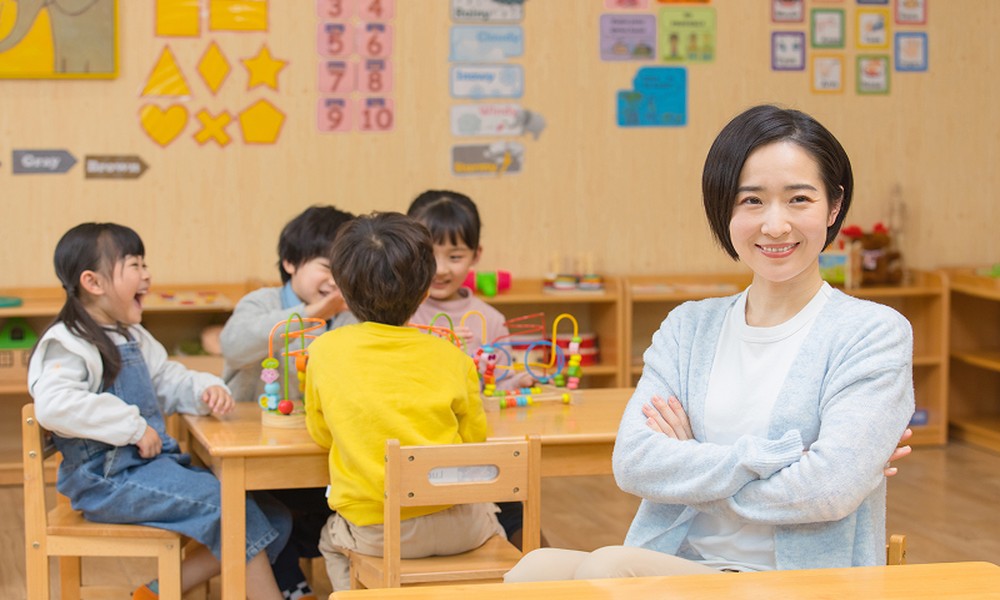
Clear Mandarin sentences grow when children follow steady habits that support structure, confidence, and calm expression. A routine acts like a steady rhythm that keeps speaking tasks manageable while still encouraging curiosity. Each day offers small chances to test new links, try fresh word pairings, and shape ideas into full lines without pressure. Children respond well when the classroom feels predictable and lively at the same time, helping them connect familiar sounds to new phrases. With guidance that stays clear and friendly, young students build comfort with tone, word order, and pacing, turning repeated practice into natural progress.
Daily Warm-Up Conversations
Warm-up chats prepare students for speaking tasks by easing them into the language. Teachers start with simple prompts such as naming an item, describing a tiny action, or recalling a small moment. These brief tasks help students shift into Mandarin mode without feeling overwhelmed.
Guided modelling strengthens early attempts. Children repeat a sample line, adjust it, then create their own short sentence. Some families support this with private online tuition in Singapore, which offers extra chances to practise tone control and clearer phrasing.
Structured Sentence Frames
Sentence frames give children a clear starting point for expression, with simple openers that guide them to build longer thoughts and link ideas without hesitation. Teachers often introduce frames through short role-play tasks or picture cues, so students shape lines that describe actions, preferences, or simple observations while they see how ideas connect.
Frames also support listening tasks by repeating familiar structures until students can predict what comes next. This familiarity encourages calm speaking habits during group discussions and keeps the routine fresh when themes rotate, as students stay engaged while still recognising known phrasing patterns. Children who attend Primary Chinese tuition in Singapore work with similar structures that mirror school activities.
Vocabulary Cycling Through the Week
A rotating word set keeps lessons organised and steady. When students meet the same vocabulary in reading, speaking, and writing tasks, they strengthen recall and sense of order. Repeated exposure supports clearer sentence building.
Parents who want a bit more structure sometimes mirror these routines at home. Simple chats, short songs, and picture discussions strengthen word use naturally. Some families choose online tuition in Singapore for consistent weekly reinforcement.
Pair-and-Share Practice
Pair tasks encourage quick speaking attempts in a relaxed setting. Prompts such as describing a picture, comparing two objects, or naming small differences push students to form fuller sentences.
Teachers rotate partners often, giving students a mix of speaking rhythms to absorb. Exposure to a variety of voices helps them hear tone, pacing, and phrasing more clearly. Learners who also join Primary Chinese tuition in Singapore find the familiar task style comforting.
Listening-and-Building Routines
Short listening clips improve structure awareness. Learners hear a line, repeat it, take it apart, and rebuild it. The process trains attention to word order and sentence flow. Teachers may include chants or rhythmic lines to keep the process lively. Over time, students return stronger sentences with clearer pacing and tone.
Guided Reading Moments
Guided reading sessions use brief stories to introduce sentence patterns. Children read a line aloud, discuss its meaning, then restate it using their own words. The task deepens their understanding of how Mandarin sentences carry both meaning and structure.
Small reading groups allow teachers to provide direct support. They highlight connectors, tone cues, and word placement. Learners who supplement school work with Primary Chinese tuition in Singapore often recognise the patterns easily.
Sentence-Building Cards
Sentence-building cards turn practice into a hands-on game. Children match subjects, verbs, and objects to create meaningful lines. The tactile format keeps attention steady and encourages experimentation.
Teachers often refresh the cards with new sets each week. Some students extend this activity at home or during online tuition classes in Singapore, where they receive more guided feedback.
Routine-Based Reflection Chats
Reflection chats at the end of the day strengthen calm expression. Children describe an activity, share a small thought, or explain a simple choice. These tasks help them stretch phrases into longer lines.
Teachers listen for rhythm, clarity, and structural accuracy. Consistent checks build awareness of how Mandarin sentences work and how students can improve steadily. For families seeking structured support for Mandarin growth, steady routines build confidence and clarity. Contact LingoAce to explore learning options that support your child’s progress.